Buy desktop.be ?
We are moving the project
desktop.be .
Are you interested in purchasing the domain
desktop.be ?
domain@kv-gmbh.de · 0541-91531010
Buy desktop.be ?
Why dative?
The dative case is used in many languages to indicate the indirect object of a verb, showing to whom or for whom an action is done. It helps clarify the recipient of an action or the person who benefits from it. By using the dative case, speakers can provide more specific information about the relationships between the subject, verb, and object in a sentence. This case is essential for conveying nuances of meaning and ensuring clear communication in various contexts. **
Dative or accusative?
Dative and accusative are two different cases in grammar that indicate the relationship between a verb and its object. The dative case is used to show the indirect object of a verb, while the accusative case is used to show the direct object. To determine whether to use dative or accusative, you need to consider the verb in the sentence and identify whether the object is receiving the action directly (accusative) or indirectly (dative). **

Similar search terms for Dative
Top-Angebote
Products related to Dative:
-
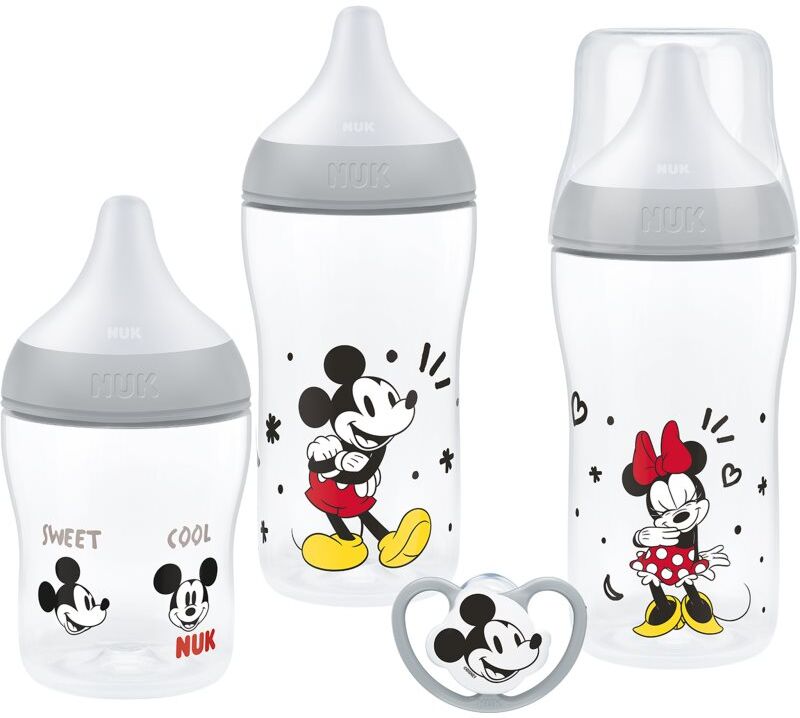
NUK Perfect Match Disney coffret cadeau pour les bébés Mickey MouseNUK Perfect Match Disney, , Sets pour enfant pour enfant, Lorsque vous ne pouvez pas allaiter bébé, vous pouvez compter sur le biberon NUK Perfect Match Disney. La forme spécialement adaptée de la tétine procure au bébé une sensation de confort, indispensable pour les besoins primaires comme la tétée. Le produit : favorise le bon développement des gencives et des dents s'adapte à la forme du palais de l'enfant bonne aération n’interfère pas avec le réflexe de succion permet à l'enfant de boire dans le calme et la décontraction aide à réduire la fréquence des coliques tétine imitant la forme du sein maternel en silicone souple facile à nettoyer facile à assembler L'ensemble contient: NUK Perfect Match Disney bouteille avec contrôle de la température 2x260 ml NUK Perfect Match AIR Disney tétine 1 pcs biberon 150 ml Composition du produit : silicone Matériaux : silicone Mode d’emploi : Le système de fermeture à 360° de cette tasse n’est pas anti-gouttes. Dans le cas de cette tasse, si la membrane venait à être trop serrée, elle empêcherait le bébé de boire correctement. Les gouttes qui s’écoulent lorsque la tasse est inclinée sont donc un phénomène normal. Choisissez toujours une tétine dont la taille est adaptée à l’âge de votre bébé.19,76 €*Shipping: 3,45 €Secure redirect to the provider
-
Beaba Video Baby Monitor Zen Plus White babyphone vidéo 1 pcsBeaba Video Baby Monitor Zen Plus White, 1 pcs, Babyphones pour enfant, Lorsqu’on devient parent, il faudrait presque avoir des yeux dans le dos. Heureusement, vous pouvez compter sur le babyphone Beaba Video Baby Monitor Zen Plus White . Détendez-vous en sachant que votre bébé est sous surveillance constante. Facilitez-vous la tâche en tant que parent. Le produit : babyphone vidéo écran avec image nette permet une communication bidirectionnelle microphone intégré peut jouer une berceuse moniteur de température ambiante vision nocturne infrarouge facile à placer sur la table convient aussi aux montages muraux mesure la température dans la pièce avec l’enfant signal d’avertissement lorsque la batterie est faible Mode d’emploi : Grâce à la batterie, il ne doit pas être branché sur secteur pour fonctionner. Le signal est stable jusqu'à 300 mètres.153,00 €*Shipping: 3,45 €Secure redirect to the provider



-
Why dative case?
The dative case is used to indicate the indirect object of a sentence, showing to whom or for whom an action is being done. It helps to clarify the relationships between the different elements of a sentence and is essential for conveying the correct meaning. In many languages, including German, Russian, and Latin, the dative case is an important part of the grammar and is used in a wide range of contexts. Overall, the dative case is important for expressing the recipient or beneficiary of an action and is an essential part of understanding and using these languages effectively. **
-
What are examples of computer accessories such as monitor, keyboard, etc.?
Examples of computer accessories include monitors, keyboards, mice, webcams, speakers, external hard drives, USB hubs, and laptop stands. These accessories enhance the functionality and usability of a computer system, allowing users to customize their setup to suit their needs and preferences. **
-
When to use dative?
The dative case is used in German to indicate the indirect object of a sentence, which is the person or thing that receives the direct object. It is also used after certain prepositions, such as "mit" (with), "nach" (after), and "von" (from). Additionally, the dative case is used with certain verbs that require an indirect object, such as "helfen" (to help) or "antworten" (to answer). **
-
Tolerate dative or accusative?
Whether to use the dative or accusative case in German depends on the verb being used and the prepositions that accompany it. Some verbs require the dative case, such as helfen (to help) or danken (to thank), while others require the accusative case, such as sehen (to see) or essen (to eat). It is important to learn which case each verb requires in order to use the correct form in a sentence. **


What are dative adjectives?
Dative adjectives are adjectives that are used to describe nouns in the dative case. In many languages, including German and Latin, the dative case is used to indicate the indirect object of a verb or the recipient of an action. Dative adjectives agree in gender, number, and case with the noun they are describing, and they often convey a sense of possession, benefit, or disadvantage. For example, in German, the dative adjective "guten" (good) would be used to describe a masculine singular noun in the dative case, such as "dem Mann" (to the man). **
Dative or Genitive 2?
The choice between dative and genitive case in German depends on the verb or preposition being used. "Dative" is used to indicate the indirect object of a sentence, while "genitive" is used to show possession or a relationship between two nouns. "Genitive 2" specifically refers to the genitive case used after certain prepositions, such as trotz (despite) or während (during). It's important to learn the specific prepositions and verbs that require either dative or genitive case in order to use them correctly in German sentences. **
Top-Angebote
Products related to Dative:
-
BabyOno Mouse hochet 0m+ 1 pcsBabyOno Mouse, 1 pcs, Hochets pour enfant, Le hochet BabyOno Mouse amuse bébé tout en favorisant son développement. Le matériau, les couleurs et les sons du hochet attirent l'attention des plus petits. Les parents apprécieront la conception qui assure la sécurité. Le produit : idéal comme premier jouet pour les tous petits les couleurs contrastées éveillent l'intérêt du bébé et développent sa vue attire l'attention du bébé facile à tenir par les petites mains des enfants coloré aide à distraire l’enfant lors de déplacements fournit une stimulation visuelle design adorable, se présente sous la forme d’un animal Mode d’emploi : Remplacer le jouet s’il présente des signes d’usure, de détérioration ou de mastication.7,31 €*Shipping: 3,45 €Secure redirect to the provider
-
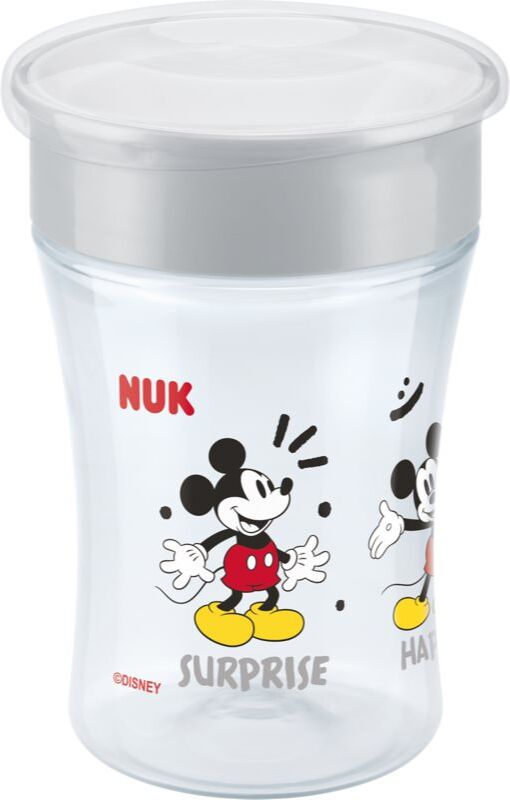
NUK Magic Cup Disney tasse Mickey Mouse 8m+ 1 pcsNUK Magic Cup Disney, 1 pcs, Tasses pour enfants pour enfant, Vous voulez que votre enfant développe la bonne habitude de s’hydrater régulièrement ? La tasse pour enfant NUK Magic Cup Disney, adaptée aux petites mains des enfants, vous facilitera la tâche. En outre, son design amusant plaire à votre enfant Le produit : idéal pour voyager ne se renverse pas format pratique facile à nettoyer facile à assembler tasse d’apprentissage permet de passer facilement et rapidement du biberon à la tasse Matériaux : silicone Mode d’emploi : Le système de fermeture à 360° de cette tasse n’est pas anti-gouttes. Dans le cas de cette tasse, si la membrane venait à être trop serrée, elle empêcherait le bébé de boire correctement. Les gouttes qui s’écoulent lorsque la tasse est inclinée sont donc un phénomène normal.9,84 €*Shipping: 3,45 €Secure redirect to the provider
-
NUK Perfect Match Disney coffret cadeau pour les bébés Mickey MouseNUK Perfect Match Disney, , Sets pour enfant pour enfant, Lorsque vous ne pouvez pas allaiter bébé, vous pouvez compter sur le biberon NUK Perfect Match Disney. La forme spécialement adaptée de la tétine procure au bébé une sensation de confort, indispensable pour les besoins primaires comme la tétée. Le produit : favorise le bon développement des gencives et des dents s'adapte à la forme du palais de l'enfant bonne aération n’interfère pas avec le réflexe de succion permet à l'enfant de boire dans le calme et la décontraction aide à réduire la fréquence des coliques tétine imitant la forme du sein maternel en silicone souple facile à nettoyer facile à assembler L'ensemble contient: NUK Perfect Match Disney bouteille avec contrôle de la température 2x260 ml NUK Perfect Match AIR Disney tétine 1 pcs biberon 150 ml Composition du produit : silicone Matériaux : silicone Mode d’emploi : Le système de fermeture à 360° de cette tasse n’est pas anti-gouttes. Dans le cas de cette tasse, si la membrane venait à être trop serrée, elle empêcherait le bébé de boire correctement. Les gouttes qui s’écoulent lorsque la tasse est inclinée sont donc un phénomène normal. Choisissez toujours une tétine dont la taille est adaptée à l’âge de votre bébé.19,76 €*Shipping: 3,45 €Secure redirect to the provider
-
Why dative?
The dative case is used in many languages to indicate the indirect object of a verb, showing to whom or for whom an action is done. It helps clarify the recipient of an action or the person who benefits from it. By using the dative case, speakers can provide more specific information about the relationships between the subject, verb, and object in a sentence. This case is essential for conveying nuances of meaning and ensuring clear communication in various contexts. **
-
Dative or accusative?
Dative and accusative are two different cases in grammar that indicate the relationship between a verb and its object. The dative case is used to show the indirect object of a verb, while the accusative case is used to show the direct object. To determine whether to use dative or accusative, you need to consider the verb in the sentence and identify whether the object is receiving the action directly (accusative) or indirectly (dative). **
-
Why dative case?
The dative case is used to indicate the indirect object of a sentence, showing to whom or for whom an action is being done. It helps to clarify the relationships between the different elements of a sentence and is essential for conveying the correct meaning. In many languages, including German, Russian, and Latin, the dative case is an important part of the grammar and is used in a wide range of contexts. Overall, the dative case is important for expressing the recipient or beneficiary of an action and is an essential part of understanding and using these languages effectively. **
-
What are examples of computer accessories such as monitor, keyboard, etc.?
Examples of computer accessories include monitors, keyboards, mice, webcams, speakers, external hard drives, USB hubs, and laptop stands. These accessories enhance the functionality and usability of a computer system, allowing users to customize their setup to suit their needs and preferences. **
Similar search terms for Dative
-
Beaba Video Baby Monitor Zen Plus White babyphone vidéo 1 pcsBeaba Video Baby Monitor Zen Plus White, 1 pcs, Babyphones pour enfant, Lorsqu’on devient parent, il faudrait presque avoir des yeux dans le dos. Heureusement, vous pouvez compter sur le babyphone Beaba Video Baby Monitor Zen Plus White . Détendez-vous en sachant que votre bébé est sous surveillance constante. Facilitez-vous la tâche en tant que parent. Le produit : babyphone vidéo écran avec image nette permet une communication bidirectionnelle microphone intégré peut jouer une berceuse moniteur de température ambiante vision nocturne infrarouge facile à placer sur la table convient aussi aux montages muraux mesure la température dans la pièce avec l’enfant signal d’avertissement lorsque la batterie est faible Mode d’emploi : Grâce à la batterie, il ne doit pas être branché sur secteur pour fonctionner. Le signal est stable jusqu'à 300 mètres.153,00 €*Shipping: 3,45 €Secure redirect to the provider
-
Beaba Video Baby Monitor Zen Plus White caméra supplémentaire 1 pcsBeaba Video Baby Monitor Zen Plus White, 1 pcs, Babyphones pour enfant, Lorsqu’on devient parent, il faudrait presque avoir des yeux dans le dos. Heureusement, vous pouvez compter sur le babyphone Beaba Video Baby Monitor Zen Plus White . Détendez-vous en sachant que votre bébé est sous surveillance constante. Facilitez-vous la tâche en tant que parent. Le produit : babyphone vidéo87,55 €*Shipping: 3,45 €Secure redirect to the provider
-
Philips Avent Baby Monitor SCD502/26 Moniteur audio numérique pour bébéPhilips Avent Baby Monitor SCD502/26, , Babyphones pour enfant, Lorsqu’on devient parent, il faudrait presque avoir des yeux dans le dos. Heureusement, vous pouvez compter sur le babyphone Philips Avent Baby Monitor SCD502/26. Détendez-vous en sachant que votre bébé est sous surveillance constante. Facilitez-vous la tâche en tant que parent. Le produit : babyphone audio microphone intégré signal d’avertissement lorsque la batterie est faible fonction lumière apaisante voyants activés par le son fonctionne jusqu'à 24 heures après une seule recharge Mode d’emploi : Le signal est stable jusqu'à 300 mètres. Grâce à la batterie, il ne doit pas être branché sur secteur pour fonctionner.66,30 €*Shipping: 3,45 €Secure redirect to the provider
-
When to use dative?
The dative case is used in German to indicate the indirect object of a sentence, which is the person or thing that receives the direct object. It is also used after certain prepositions, such as "mit" (with), "nach" (after), and "von" (from). Additionally, the dative case is used with certain verbs that require an indirect object, such as "helfen" (to help) or "antworten" (to answer). **
-
Tolerate dative or accusative?
Whether to use the dative or accusative case in German depends on the verb being used and the prepositions that accompany it. Some verbs require the dative case, such as helfen (to help) or danken (to thank), while others require the accusative case, such as sehen (to see) or essen (to eat). It is important to learn which case each verb requires in order to use the correct form in a sentence. **
-
What are dative adjectives?
Dative adjectives are adjectives that are used to describe nouns in the dative case. In many languages, including German and Latin, the dative case is used to indicate the indirect object of a verb or the recipient of an action. Dative adjectives agree in gender, number, and case with the noun they are describing, and they often convey a sense of possession, benefit, or disadvantage. For example, in German, the dative adjective "guten" (good) would be used to describe a masculine singular noun in the dative case, such as "dem Mann" (to the man). **
-
Dative or Genitive 2?
The choice between dative and genitive case in German depends on the verb or preposition being used. "Dative" is used to indicate the indirect object of a sentence, while "genitive" is used to show possession or a relationship between two nouns. "Genitive 2" specifically refers to the genitive case used after certain prepositions, such as trotz (despite) or während (during). It's important to learn the specific prepositions and verbs that require either dative or genitive case in order to use them correctly in German sentences. **
* All prices are inclusive of VAT and, if applicable, plus shipping costs. The offer information is based on the details provided by the respective shop and is updated through automated processes. Real-time updates do not occur, so deviations can occur in individual cases. ** Note: Parts of this content were created by AI.